The Ultimate Guide to Building a Profitable Creative Workshops Business


About This Guide
Welcome to the most comprehensive guide to building a profitable creative workshops business. And it's 100% free!
At ClassBento, we've worked with thousands of creative workshop teachers, across the US, UK, Australia and New Zealand. Drawing on this experience, and data from the 1,000,000+ bookings we've delivered through our platform, we've curated practical insights to give you shortcuts to success.
Whether you haven't yet started your journey or if you're already in the thick of it, our guide will have tips that can help you.
Here's what we cover:
- Decide whether running a creative workshops business is right for you
- Design workshops that sell, covering pricing, venues, lesson plans and more
- Choose the right booking platform and marketing strategy
- Set up your business for further growth
- Get answers to common teacher FAQs and see teacher examples
- Grab ready-to-use templates and plan your next steps
We've included lots of detail (over 10,000 words' worth), not just generic advice, to make this as useful as possible; feel free to skip to sections that interest you via the links in the table of contents on the bottom of the screen. the table of contents on the right.

Is running creative workshops right for you?
Running creative workshops can be a great way to earn a living whilst honing your craft and meeting like-minded people, and usually formal qualifications aren't required. Some teachers earn several hundreds of thousands in revenue, consistently each year.
Common origin stories
- Existing businesses adding workshops as a revenue stream. Restaurants offering cooking classes during off-peak hours, bars running cocktail masterclasses, florists teaching flower arranging, bakers hosting sourdough or macaron workshops. The venue, equipment and expertise already exist — workshops just unlock more value from them.
- Hobbyists who turned a passion into a business. Many of our most successful teachers started by discovering a craft they loved — pottery, resin art, calligraphy, perfume making — and realised others wanted to learn it too. Some converted a spare room or garage into a studio; others rented a small space and grew from there.
- Career changers looking for something more fulfilling. Teachers who left corporate jobs to build upon their creative side. The common thread: they wanted more autonomy, more meaning, and a way to connect with people through making.
You can read more about how real teachers got started in our teacher stories section below.
What are the benefits of hosting workshops?
Get paid to do what you love. Hosting workshops allows you to build a business around your hobbies, whether it's ceramics, cooking, painting, flower arranging, or another craft.
Teaching is deeply rewarding. It's a positive feeling watching someone go from "I can't do this" to proudly holding something they made themselves. That feeling is why so many teachers love what they do.
You'll meet like-minded people. You'll get to meet people who are also interested in your passion, and you might even make some new friends and connections this way.
You're the boss. You have the flexibility to decide the time, place, and way you teach. Some people host one class a month while working another job. Others teach full-time as their main way to make money.
It's simple to start. Starting a creative workshops business doesn't need to cost a lot of money or time. In the vast majority of cases, you don't need formal qualifications.
There's exciting financial potential. Successful teachers can earn hundreds of thousands of dollars a year. If you already run your business selling products – like flowers, food, jewellery or home decor – classes can help you sell even more. When people learn from you, they trust you more and are more likely to keep buying from you.
What are the challenges of starting a workshop business?
There's variability. Your earnings can vary from one month to the next, especially in the beginning.
There's customer service involved. While you'll meet plenty of lovely people, you might occasionally encounter customers who seem less polite, more critical, or who are just having a bad day in general. It's important in this type of business to stay professional and helpful with everyone you meet.
Not sure? Go and do some classes yourself to get ideas and see if you'd like to be on the other end!

Designing workshops that sell
- Get ideas
- In-person vs virtual
- Differentiation
- Public vs private
- Class size
- Duration
- Materials
- Pricing
- Venues
- Lesson plans
Designing your workshop is where it all begins.
Get ideas from the market
You can find ideas for your workshop by looking at popular classes in your area.
Right now, the most popular workshop categories on ClassBento are:
- Pottery
- Cooking
- Jewellery Making
- Glassblowing and Mosaic
- Painting
- Textiles
- Perfume Making
- Fluid Art
- Baking and Desserts
- Candle Making
- Floristry
- Woodworking
- Cocktail
- Terrarium
- Coffee
- Metalwork
- Gardening
- Drawing
- Paper Craft and Ink
- Food and Drink Tasting
- Photography
- Skincare and Haircare
- Sculpture and Assemblage
- Body and Soul
- Print Making
Many other categories attract lots of bookings too. These are just the top few!
To find which classes perform well, start by looking at their reviews. A high number of reviews usually means the teacher has served many customers and that the customers were happy with the class. On booking websites, the best classes often appear at the top of the page. Use these classes as general inspiration for your own workshop. You'll find more specific tips below.
Should you run in-person classes or virtual workshops?
Broadly, there are three ways to run your workshop:
- In-person: Teach your guests, at your venue or at your guest's.
- Online: Use online meeting platforms like Zoom or Google Meet. You can teach live or provide a pre-recorded video.
- Online with a kit: Ship materials to your guests. You can then teach them in real-time with Zoom or Google Meet or send them a video to follow along at home.
The best option for you depends on your life, your business, and your craft. For example, some crafts are easier to teach in-person than online, whilst online classes don't require venue hire.
ClassBento's data shows that 95% of creative workshop bookings are for in-person classes, while only 5% are for virtual sessions or DIY kits.
How will you differentiate your workshops?
Why should someone choose your workshop, if there are other teachers nearby that offer similar-looking workshops?
Here are some ways your workshop can be differentiated:
- Location: ClassBento's research has shown that for many customers, it's not enough for a class to be in the same general metropolitan area as where they are; many customers want something in their specific neighbourhood or suburb. For example, a customer in North Sydney may decline a class in South Sydney, even though it's quite close. If there are no teachers in your immediate area, this can be a great opportunity for you. You can also reach different customers by travelling to them for their workshops.
- Vibe: Is your class more social in nature, more about giving people a chance to bond over crafting? Or is it more of a focused class, where it's more about learning a skill?
- Variations: You can stand out by offering variations of popular workshops. For example, in a painting class, you could teach different styles or subjects. In a pottery class, you can offer unique techniques, patterns, or shapes. You can also differentiate your class by creating different types of objects, adding a theme, or including a food and drink element.
- Depth: You might want to offer a one-off class, where guests can just get a quick introduction to the topic; or, you might want to offer multi-week courses to let guests really immerse themselves and hone their new skills.
- Audience: You might want to tailor your class to a specific audience or occasion. Popular options include date night workshops, team building, hens/bachelorette activities or children's classes.
Should you offer public classes, private bookings, or both?
You can choose to offer public dates that you schedule ahead of time, which customers can just choose and book into instantly. You might want to allow customers to join a waitlist, and notify them later when new dates become available - some booking platforms like ClassBento take care of this automatically for you.
You can also choose to only offer sessions on-demand, when customers request it. This can be a great way to take private group bookings - e.g. birthdays, work events, hens parties / bachelorette parties, etc.
One advantage of private sessions is that it ensures you don't end up with classes with too few customers to make it profitable. You only run the class when you have a guaranteed group.
ClassBento's data shows that on average, teachers earn around 70% of their income from public classes, and 30% from private bookings, so it's worth offering both if you can.
When is the best time to schedule public sessions?
ClassBento's data shows that around 80% of guests prefer to book public sessions on weekends between 10am and 5pm, rather than other times of the week. Weekday evenings are the next most popular choice. However, specialty classes like yoga or after-school kids' workshops are an important exception, and often perform better on weekdays.
How many sessions (dates) should you list?
It is best to list not too few, and not too many. We recommend listing one session every weekend or two (unless you're getting sold out regularly, in which case you should consider adding more).
Too few sessions: Customers may not find a suitable time, and may not book.
Too many sessions: Customers are spread too thin, making classes less profitable. You probably incur fixed costs from your time, your staff's time, and venue hire – so fewer customers per session means lower margins. Having fewer, fuller sessions that then appear as 'sold out' to future customers can create FOMO (fear of missing out), which drives urgency and future bookings.
Booking Lead Times
While some customers book last minute, most book one to two weeks in advance. We also recommend showing dates on your calendar at least a few months into the future. This gives gift-shoppers confidence that your class will continue, so they know their gift recipient will have enough dates to choose from. It also helps people who are planning further ahead - they might be booking for a special occasion, travelling from overseas, etc.
How many guests should you allow, per class?
The size of your classes can greatly affect how happy you and your guests are, and also your profitability.
Think about how many people you can comfortably fit into your venue, how much equipment you have (e.g. pottery wheels or stoves), whether you have any assistants available to help with larger classes, and your personal preferences. Some types of classes will require more hands-on help than others, so you'll want to ensure that you size the class to give your guests enough attention.
You'll also want to ensure you allow enough guests per workshop, to make it profitable for you (you can find more information on this in our FAQs).
If you're communicating and setting your maximum group sizes, keep in mind that many groups will have around 20 to 30 guests.
How long should your workshop be?
Workshop sessions can range from 30 minutes to an entire day (or even several days). ClassBento has found that between 60 to 90 minutes is the most popular duration for most guests. However, niche topics like blacksmithing may require a much longer duration. Guests are often happy to commit more time to these specialized skills.
Duration is often correlated with price – the longer they stay with you, the more you may want to charge. With this in mind, you might want to consider what your pricing sweet spot is to determine how long your sessions should be.
You'll want to estimate the duration as accurately as you can. Often customers may have plans after a class, so they shouldn't feel like they need to rush to finish in the allotted time. Conversely, if the class says it runs for a certain amount of time, if the class finishes early they may feel like they haven't gotten their money's worth.
What materials should you include for your workshop?
Many creative workshops require specialised materials and/or equipment, that most people won't have at home. In fact, in some cases, this is the reason why guests would want to come to your class rather than trying to learn from Youtube for free - buying the equipment might not make financial sense, or it might be hard to source.
You could ask guests to bring their own materials, however that will severely narrow the audience that you'll reach. ClassBento's research has found it's preferable for hosts to provide all the necessary materials, so guests can simply arrive and enjoy. There are some exceptions to this - for example, in a smartphone photography class, you can safely expect guests to bring their own smartphones.
Sourcing materials at cheaper prices
Materials are often one of your biggest per-class costs, so where you buy them matters. Many new teachers make the mistake of buying supplies at retail prices, which can eat significantly into their margins.
- Buy wholesale: For common materials like clay, paint, resin, wax, fabric, or food ingredients, look for wholesale distributors rather than buying from retail craft stores. The savings can be substantial — often 30-50% less per unit. To find wholesalers, try searching for "[your material] wholesale" or "[your material] bulk supplier" in your area. Trade directories, industry Facebook groups, and forums for your craft are good places to ask other teachers where they source materials. You can also contact manufacturers directly — many sell to small businesses at wholesale rates if you meet a minimum order. Local trade shows and maker fairs are another way to meet suppliers face-to-face and negotiate pricing.
- Buy in bulk: Even if a wholesale account isn't available, buying larger quantities usually unlocks better pricing. Calculate how many classes you'll run over the next few months and order accordingly.
- Build supplier relationships: Regular orders from the same supplier often lead to better pricing, priority stock availability, and more flexible payment terms. Some suppliers will also offer samples of new products for you to trial.
- Know your per-student cost: Calculate exactly how much materials cost per guest, and factor this into your pricing. This number is also essential for your profit calculations.
- Keep a stock buffer: Running out of materials the day before a class means panic-buying at retail prices. Maintain a buffer of at least a few classes' worth of supplies, and reorder when you hit that threshold rather than when you run out.
- Reusable vs consumable: Separate your costs into one-off equipment (pottery wheels, moulds, tools) and per-class consumables (clay, paint, food). Equipment is an upfront investment that pays for itself over many classes; consumables are your ongoing cost to manage.
How much should you charge for your workshop?
When deciding on your workshop price, you should consider your costs, your competition, and the value of the experience. Here are the key factors to help you set the right price.
Workshop value
Consider factors like the quality of your venue, your teaching experience, and the items guests take home. As a lower limit, think about what it would cost someone to buy the item they create elsewhere (e.g. two personalised scents or candles), and avoid pricing your class much below that (more on underpricing in our FAQs).
Also, consider classes provided by other teachers in your area (e.g. you can see these on ClassBento). Keep in mind, it's not just about who offers the lowest prices - customers care about the value that they get, compared to the price that they pay. Of course, the value as perceived by customers is not always 'linear' (e.g. getting to take 6 candles home may not be 3 times more valuable than taking 2 home, as 2 may be more than enough for most guests).
There are benefits to keeping the price simple, but we've also included some common pricing strategies that could be advantageous for your business.
Structuring your base price
- Base price & add-ons: Set a standard ticket price and offer optional extras, like premium materials or a glass of champagne. This allows guests who want a more premium experience to pay more, whilst allowing those who are on a tighter budget to still afford your class.
- Travel charges: You can charge fees if you travel for your class; you keep it simple with a flat fee, or it could be based on distance or time. Either way, you should clearly indicate the are that you cover.
- Ticket types: You can set different prices for different types of tickets - e.g. adult vs child.
- Charm pricing: Pricing a class at $89 instead of $90 can make it feel more affordable. Use round numbers (like $100) if you want to signal a premium experience.
- Introductory rates: You can start with lower prices to get your first customers and build reviews, then increase your rates later.
Adjusting prices to attract bookings
- Group discounts: Offer lower rates for groups to encourage guests to invite friends.
- Early-bird specials: Provide a discount for booking early to help fill classes faster and to help you plan ahead.
- Date discounts: If one of your session dates is coming up soon and you're trying to fill it, you might give a discount just for that session (which could be time-limited).
- Dynamic pricing: You can set different rates for weekends versus weekdays if popularity differs significantly, and/or if your venue or staff costs vary.
Alternative pricing models
- Term pricing: Asking customers to pay for an entire term (e.g. 10 weeks) upfront can be suitable in some cases, e.g. for kids classes
- Subscriptions: Subscriptions can work well in some cases, e.g. if you offer an open studio where customers can come up to a few times a month, for a monthly fee
- Per-class pricing: In some cases, if the cost of running a class is very similar regardless of the number of participants (e.g. if the cost of materials is insignificant), you could charge a price that does not vary by the number of guests - e.g. $500 per class
Later in this guide, we provide a detailed breakdown of workshop economics. You can use ClassBento's profit calculator template to find the exact profit per class for your business. This tool helps you account for costs like materials, venue hire, and staff time.
What cancellation and refund policy should you set?
Having a clear cancellation and refund policy helps both you and your guests. It's one of the most important things to get right early, as it affects your revenue, your reputation, and your relationship with customers.
Why it matters: Without a clear policy, you'll end up handling every cancellation on a case-by-case basis, which is time-consuming and stressful. Guests also feel more confident booking when they know the terms upfront — a reasonable refund policy can actually increase bookings, not reduce them.
A common approach: Most workshops allow full refunds or reschedules up until a few days before the class, where that cut-off point is just before when you need to commit to costs for that session (e.g. venue hire, staff hire). If your class often attracts lots of last minute bookings, you can afford to be more generous.
Reschedules vs. refunds: Offering a reschedule instead of a refund is often a good middle ground — you keep the customer, and they still get to enjoy your class. If you're using a booking platform, check whether it supports automatic rescheduling, as this can save you a lot of back-and-forth.
No-shows: It's reasonable to treat no-shows the same as a late cancellation (i.e. no refund).
Where to display your policy: Your cancellation policy should be visible before guests complete their booking — not buried in fine print. Most booking platforms will have a dedicated field for this. If you're taking bookings through your own website, make sure to include it on your booking page and in your confirmation emails.
Be fair, but protect yourself: A generous policy builds trust and encourages bookings. An overly strict policy can put people off. The key is to find a balance that protects you from last-minute losses while still making guests feel comfortable booking with you. If you're just starting out and want to build goodwill, consider erring on the generous side. As your classes fill up more consistently, you can tighten your policy if needed.
Tip: If you're using a booking platform like ClassBento, your cancellation and refund policy will be managed through the platform, and you can let guests self-serve for reschedules and refunds within your policy settings. This saves you from having to handle every request manually.
How to choose the best location for your workshop
Selecting the right venue makes a big difference to the vibe of your class, and your business's profitability.
Where can you run a workshop?
You can host a workshop in a variety of settings depending on your budget. Common options include:
- Rented studios or creative spaces: Ideal for art and craft workshops.
- Hospitality venues: Cafes, restaurants and bars are a common and ideal option and may provide free space in exchange for the foot traffic and beverage sales you bring in.
- Public spaces: Parks or gardens work well for low-mess activities like outdoor painting (check local permit requirements), though you may need backup plans for unaccommodating weather.
- Community hubs: Libraries, community centres, university campuses, co-working spaces, and maker spaces may offer low-cost rooms.
- At home: Your home can be a convenient and cost-effective option, if suitable. Bear in mind, some guests expect a professional studio space, so clearly describe your home-based setup in the class description. Being upfront prevents disappointment, negative reviews, and refund requests. For privacy and professionalism, you may want to keep your exact address hidden until the booking is confirmed, and always be mindful of noise to avoid complaints from your neighbours.
- Travel to your students: If you teach in person, you can travel to your students. However, most students prefer to meet at a studio or a public space. This keeps their homes private and helps them avoid messes and distractions.
What should you consider when choosing a workshop venue?
- Commitment level: Start by renting venues on a one-off basis to minimise risk. As your bookings become more predictable, you can transition into a more permanent lease, which can offer cheaper rates per hour in exchange for less flexibility. If you've opted for an ongoing lease and don't use the venue all the time, you could sharing the space and costs with other teachers (subject to the venue's agreement).
- Shop around: It's worth contacting a few similar venues, to check for what the 'market' rate is.
- The breakeven point: To determine what you can afford, calculate your potential revenue based on how many guests you can realistically attract and at what price.
- Total costs: Always consider your venue hire alongside other expenses, such as materials and insurance, to ensure the class remains profitable. We have a calculator that can help.
What are the most affordable venue ideas?
To keep costs low, look for "non-business" venues where profit isn't the primary goal.
- Win-win opportunities: Approach local cafes or bars. Offer to host your event during their "quiet" hours; you bring the customers, and they provide the table or section for a discounted rate.
- Aggregated sites: Use platforms like ClassBento to find spaces specifically filtered for workshop suitability.
- Flexible terms: When starting out, if you're paying for a venue, prioritise places with generous cancellation terms. This allows you to cancel a few days in advance without a fee if you don't meet your minimum enrollment numbers.
When you're booking a venue, keep in mind that you might need time to set up at the start, and pack up at the end.
How to build a lesson plan
A workshop lesson plan is like a script for a movie, where you decide what will happen, and when.
You might have heard the saying "fail to prepare, and prepare to fail" - this concept can certainly apply here!
Here's a quick guide to help you use this concept to maximise the chances that both you and your guests will love your experience.
5-10 minutes prior to starting
First impressions start before the clock ticks and guests often arrive a tiny bit early so here are some tips to set you up for success.
- Ensure the space is reasonably tidy.
- Try playing some low-volume background music.
- Provide 'waiting activities' like browsing finished products or relevant books.
- If you are delayed, notify venue staff (if any) so they can reassure waiting guests.
First 5 minutes
Introduce yourself: You can mention why you're passionate about your craft, and what qualifies you to teach it and you can even consider sharing a relatable funny fact about yourself to break the ice! Keep it brief, but it's a great way to quickly connect with your guests and get them excited, whilst also assuring them that they're in good hands.
Introduce your venue: You may need to introduce the venue a little to help orientate your students. For example, point out where the restrooms are or if there are any "no-go" zones. Small gestures like sparkling water or tea can greatly impact customer satisfaction without costing you a lot. For an immersive experience, try serving refreshments that reflect the workshop's theme or heritage (e.g., Turkish sweets for a mosaic class).
Let guests introduce themselves: If you feel the vibe is conducive, and it's a group of guests who may not know each other already, you can also ask your guests to briefly introduce themselves or share a fun fact.. If it's a more intimate class (e.g. a one on one, or just a couple), it's a great opportunity to ask them what they want to get out of your workshop - whilst you may not be able to tailor exactly to their needs, it's a good opportunity to do simple tweaks to make their experience better suited for them. For example, they might prefer a hands-on experience or alternatively, more guidance.
Keep it snappy: You don't want this part to stretch too long. In guests' eyes, they've paid for this workshop that was advertised to be of a certain duration; they'll be happy to build human connections, but they won't want too much time to be taken up by general conversation.
After introductions, it's time to get teaching!
Stagger teaching and practise if needed: For complex crafts, use "bite-sized" teaching – demonstrate one step, allow guests to practise, then move to the next. This way, you don't lose their attention at the start, and guests are less likely to forget what they were meant to do. For simpler crafts and activities, an upfront briefing can work best. Either way, it's often a good idea to show guests the big picture of the class's goal, so guests know how each step fits and contributes. You may also like provide a visual reference guide (printed for each guest or wall-mounted) to help guests track their progress and master trickier steps independently.
Give context and background: In some cases it can greatly add to guests' experience to add some context to what you're doing. E.g. if you're offering a perfume making class, you can briefly mention the history of perfume making, the exotic places where you sourced some of your scents, etc. It can give more 'weight' and significance to the class.
Set expectations: Some guests may feel nervous – ClassBento's research has found that many students can feel that they are "not creative" or "bad at art". You can emphasise that it's a non-judgemental setting, and that the goal is to have fun whilst learning rather than produce a masterpiece and remind them that you'll be available to guide them along. You can also set expectations about materials if appropriate, for example, how much of the materials provided guests are allowed or recommended to use.
Give feedback: Whilst guests are getting hands-on, offer support by providing uplifting or constructive feedback (avoid being overly critical). There will be a 'just right' level of feedback (not too much and not too little) which will vary by guest - some guests really value your expert guidance, whilst others prefer to work independently or simply enjoy being immersed in conversation with other guests. Be careful not to constantly hover, as some guests may find this uncomfortable, and especially so if you try to 'fix' their work. Let your guests know the best way to indicate how much feedback they want and how best to ask you for help and feedback – it can be as simple as raising their hand.
Tip: To support shy guests who may feel awkward raising their hand or calling out, you could consider providing service tokens (like the Rodizio card system from Brazilian churrascos) which they can flip to indicate whether they want your presence.
Give ideas: Whilst you may naturally be a fountain of ideas for your craft, beginners often find a blank slate intimidating. To jumpstart their process, display finished samples in various styles, provide mood boards, or offer a lookbook of curated patterns. This lowers the barrier to entry and builds guest confidence from the start.
Taking photos throughout: You can ask your guests upfront if they'd like you to take some photos of them throughout the class, that you can share with them later. After all, guests might struggle to take selfies when their hands are full of clay or other materials!
Manage bottlenecks: In some workshops, there's shared but limited equipment, which everyone needs to use at some stage. You don't want idle time when guests are just waiting in a line to use this. Try to stagger the usage of this equipment, invest into more equipment if that's feasible, or have an appropriate activity to do whilst guests are waiting, to keep them engaged.
Wrapping up: As your class draws to a close, make the last moments memorable (for the right reasons!)
Managing time: If you see that guests are lagging behind, you might want to gently let them know how much time they have left, and give them a bit of help if it's appropriate.
Finished photos: If your guests will have a finished product at the end, you can set up an aesthetic area where they can take a photo of it / with it. Ensure the area has good lighting (e.g. you can use portable ring lights), and you can also put in your branding in the background if you like. Offer to take photos for them. These photos will probably be shared by your guests later and can thus be a great way to spread the word about your workshops.
Cleaning up: In some cases, there will be some cleaning up to do at the end. In most cases you'll want to tackle this yourself.
Explain next steps: Help your guests realise how far they've come – from not knowing anything about your craft, to creating something beautiful. In that narrative arc, you can give them suggestions and inspiration for how to continue their potential new hobby outside of the workshop or encourage them to come back to learn more!
Takeaways: Some finished products might be tricky to carry – you might want to provide bags or boxes (you can brand these too). If guests need to return later (like fired pottery), make it clear to them as to when it will be ready or how they'll be notified for pickup. Some teachers offer to mail creation to students directly to them, often for an extra fee.
Ask for reviews: Reviews are by far one of the most powerful things you can affect, to grow your bookings. Our data shows that classes with just a few reviews convert visitors into bookings at double the rate of classes with none, and classes with 50+ reviews convert at more than 3x the rate. You can gently mention to guests that you'd love them to leave you a review. Make it easy for them to review by having a QR code they can scan at your venue or an automated email and SMS that get sent to them at the end of the workshop.
Preparing for common challenges
Even well-planned workshops can throw curveballs, so we'll help you get prepared in advance and have solutions ready to go.
Mixed skill levels: Some classes will have a mix of complete beginners and people with some experience. In other cases, everyone might start at the same level of knowledge, but some people simply progress much quicker throughout the class. It's nice to keep everyone engaged without holding anyone back. For faster students, have optional extras ready — a more complex pattern, a second piece, or a creative variation they can try. For those who are struggling, simplify the task rather than doing it for them. A guest who finishes something simple and feels proud will leave happier than one whose piece was "fixed" by the teacher.
When things go wrong: Sometimes a guest's piece will break, a recipe won't turn out right, or someone will get visibly frustrated. Stay calm and normalise it — "This happens all the time, and here's what we can do." If there's time, help them start again or pivot to something simpler. If a piece breaks at the very end, consider offering them a spare or inviting them back. How you handle these moments often matters more than the class itself — guests remember teachers who turned a disappointment into a positive experience.
Group dynamics: Occasionally one guest will dominate the conversation or demand most of your attention. Gently redirect by involving quieter guests — "What about you, how's yours coming along?" If a guest is still being disruptive, a private and polite word during a break is often enough. For hen's parties or corporate groups where energy is high, lean into it rather than fighting it — these groups are there for the social experience as much as the craft.
Managing your energy: Teaching is performative — you're "on" for the entire session, and if you run back-to-back classes it can be draining. Schedule breaks between sessions, even just 15 minutes, to reset. Stay hydrated, eat between classes, and have a quick routine to mentally switch gears. If you find yourself burning out, consider reducing your weekly class count rather than delivering lower-energy sessions — guests can tell when a teacher is going through the motions.
Here's our handy table on common mistakes when hosting workshops, and how to avoid them.
| Mistakes | Solutions | Why it matters |
|---|---|---|
| Overly harsh criticism | Constructive and uplifting feedback. Focus on technique over "right/wrong" – it's a creative endeavour after all! | Build confidence and happiness rather than leave your students feeling unmotivated or upset. |
| A lack of presence | Stay off your phone, avoid other tasks or chores and keep eyes on the room. Try not to disappear after giving instructions. | Guests feel supported, not like an interruption. |
| Over-sharing | Keep stories brief and tied to the craft. | Prevents guest fatigue and maintains professional boundaries. |
| Speaking too softly | Check if guests in the back can hear clearly and that you have a pace people can follow easily. Some teachers rush their speech when they're nervous - be conscious of this, and slow down your speech if you need to. | Ensures no one is left behind due to poor acoustics. |
We've included draft template class plans later in this guide, that you might find helpful.
Summing up your workshop design
Don't feel too stressed about trying to design your class perfectly. Done is better than perfect! You can always change your class later, or offer multiple classes to test different things. And importantly, it's valuable to get customer feedback, and adjust from there.
Now that you've planned out your workshop, let's talk about how you can attract customers cost-effectively.

How to choose the right booking platform
OK, so you have a solid plan now of how you'll run your workshops. But how do you actually get customers to book with you?
This might seem intimidating, especially if you don't have experience in marketing, but don't fret, we've got some easy yet effective strategies that you can try.
Before you start advertising your workshop though, you'll want to first ensure that you can show off your workshop in an attractive manner that will encourage people to book. As part of this, you'll want a booking system that captures payments for you automatically, and which ideally also handles other parts of the customer journey, such as transactional emails.
Whilst you could in theory just start off by saying "to book, just message me" and then take payments in-person or directly with a payment processor like PayPal, this approach comes with significant drawbacks, e.g. you'll have to manually keep track of guest bookings, you'll need to manually reply to messages and process each booking, etc. It's much easier to just use a booking system / platform. Importantly, some (but not all) booking systems automatically advertise your classes, so you can do less (or no) separate marketing yourself.
Choosing a platform
There are many booking systems/platforms out there. They broadly fit into five categories:
- Standalone booking systems - like Acuity Scheduling or Bookeo. These capture bookings for you, ensure you don't oversell, handle some basic transactional emails (e.g. order confirmation), and not much else (you'll need to do your own marketing). Generally, the other platforms below do everything this category does, and more.
- Website hosters - like Shopify or Squarespace. These host your website for a fee, and also have an order management system built in; however, these platforms usually handle all types of goods and services and so their features may not be as comprehensive or suitable specifically for creative classes. This system can work well if you're mostly selling goods, with just workshops as a small addition on the side. You'll need to do your own marketing here too.
- Tourism channel management systems - like Rezdy. These systems often connect to external tourism distributors, and can get you bookings through this. This system can be most suitable if you're selling mostly to tourists rather than locals.
- Generic experience marketplaces - like AirBNB, Eventbrite, Groupon. These have their own audience and can deliver you bookings, but their audiences can sometimes be skewed towards certain types of people who may not be interested in your craft.
- Creative marketplaces - like ClassBento. These have their own audience for creative experiences and can deliver you bookings. They may also have options to have an integrated widget you can use to capture bookings on your own website or social media, and may even allow you to host your website for free. These marketplaces are designed specifically for creative classes and thus have the most tailored features and largest audience for creative classes.
All the platforms mentioned above generally can capture bookings on your website, either 'natively' or in the form of 'widgets' (often 'iFrames') that you can add. Marketplaces will usually take a lower commission rate for orders that come from widgets on your website, as compared to orders that come through their audience and website.
You may want additional features; some of the platforms above already have this built in (if not, you can access these features via external tools, but at extra cost and complexity):
- CRMs, so you can send newsletters - some popular external tools are Mailchimp and Klaviyo
- Review systems, so you can automatically collect reviews
- Loyalty programs, so you can offer discounts or other perks for loyal customers
Here's a table to summarise:
| Allows you to capture bookings automatically | Has tailored features for creative classes | Amount of additional bookings they often deliver | |
|---|---|---|---|
| Standalone booking systems | Yes | Medium | None |
| Website hosters | Yes | Low | None |
| Tourism channel management systems | Yes | Medium | Low |
| Generic marketplaces | Yes | Medium | Low |
| Creative marketplaces | Yes | High | High |
Some things to note:
- Fees per order are generally quite comparable across all categories, for orders that originate from your own marketing. For orders that originate from the platforms' own audiences, fees per order can vary (generally between 15% and 30%).
- Some systems (especially standalone booking systems and website hosters) may charge fixed fees per month - so even if you don't sell anything, you'll need to pay them.
- Marketplaces can also help you to handle some customer enquiries, since some/many customers will contact their customer service team rather than contacting you. The marketplace staff will only reach out to you if they aren't able to resolve the query themselves.
- Having tailored features can help you to capture more orders and save time, e.g.
- Automatically capture and manage waitlists
- Attract and easily capture private group bookings
- Automatically capture high-quality reviews with photos
- Allow customers to self-serve for reschedules and refunds (within your policy)
- Automatically send class reminders, to reduce no-shows
- And much more
- If you think you'll need support from the platform later, check this before you commit. For example, when you try to contact them, do you just get useless chatbots or get redirected to public forums? Or do you get to speak to a helpful human, quickly?
- When evaluating platforms, you may want to search online to not only learn more about what they offer, but also see any teacher testimonials they have, and read reviews (not just the reviews on their own website, but also reviews on external websites).
- You can choose to use multiple platforms at once, they almost never require exclusivity, though you may need to keep your classes up to date yourself (in some cases, the platforms can sync automatically between one another, but not always).
You'll want to choose a booking platform(s) that best suits your needs (we generally recommend using a creative marketplace). From there, you'll have a good foundation, and will want to set up your listings in the right way to make the most of it.
Set up appealing workshop listings
Photos: Most people today prioritise visuals and have relatively short attention spans, meaning many will simply skim your page rather than read long blocks of text. Because of this, featuring attractive photos and videos is a crucial strategy if you're wondering how to promote your workshop effectively. You should aim for a diverse gallery that tells a complete story, such as photos of guests enjoying the social experience, close-ups of a work in progress, and high-quality "hero shots" of the final product.
Descriptions: You'll want to make your class description sound exciting and include words that people actually type into Google when looking for a hobby. Using these "keywords" helps your workshop show up higher in search results, attracting more customers.
Reviews: Make sure you feature your reviews prominently on your class listing pages. Marketplaces will typically handle this automatically. If you're on your own website, you can sometimes use a widget to pull these in automatically from other sources like your Google Business Profile, otherwise just including them manually is a valuable first step.
Booking options: If you're using your own website, make sure that it's easy to book (including for both public and private classes). You'll be surprised at how many teachers' websites make their customers click across multiple pages just to get to the checkout page. The fewer clicks and the easier the booking process, the better!
Gift cards: Sell gift cards if you can - they're especially important to offer before key gifting occasions like Christmas and Mother's Day. If you're offering gift cards, make sure to have enough dates stretching a few months into the future, to reassure purchasers that their gift recipients will have enough date options to choose from.
Ranking on marketplaces: If you use a marketplace, your class will be featured on their catalogs, alongside classes from other teachers. You'll want to rank well in their sorting algorithms, to gain more exposure.
Usually these algorithms will look favourably on listings with:
- Lots of positive reviews – so remember to encourage your guests to provide these
- Enough bookable dates
- Teachers who respond quickly to requests and messages
- High amounts of recent bookings
By staying on top of these details, marketplaces will promote your workshop and events more effectively, to even more people.
To summarise, your first priority before any marketing is to choose a booking platform and make the most of it. By selecting the best platform for your needs, you may find that its built-in audience does much of the work for you.

Marketing your workshops
- First workshops
- Free marketing
- Paid marketing
- Repeat customers
- Marketing materials
- Choosing tactics
- Top 10 tips
- Not selling?
Your plan to fill your workshops for your first workshop(s) often looks quite different from your plans for later workshops.
It's often hardest when you begin. You begin with no reviews. Your workshop design is not refined yet. You might not have lots of nice photos to display online for your workshop. It often gets easier later as you accumulate these aforementioned things, and also start to build word of mouth, repeat customers, etc. But we have tried and tested tips to help you overcome these hurdles!
Your first workshops
For your first few workshops, one effective way to 'kick-start' it is by inviting people who you're friendly with - your friends, family, colleagues, etc. - you can see it as a soft launch.
Whether they pay, enjoy a discounted rate, or come for free, the key is to have them do the class with you. Because once they do, you can:
- Ask them to post reviews online. If they genuinely enjoyed your class, there's nothing wrong with them leaving you a positive review!
- Get feedback from them - which parts of your class were the most exciting? The most boring? Which parts should be kept and which need improvement? Use this to refine your class design.
- Get photos (and even videos) of them enjoying the class, of their finished products, etc - you can then use these photos in your class listings and to advertise.
As a bonus, sometimes your first guests will reveal issues with how your workshop is carried out, so you can fix them before guests not previously known to you start attending - this way you can avoid potential bad reviews.
Of course, if you offer this class for free or at a big discount, you may incur a cost, but think of it as a crucial early investment into your marketing.
Once you've refined your workshop and accumulated these reviews and photos, you're in a good place to explore other marketing strategies.
As we mentioned before, you can use booking platforms like ClassBento that have inbuilt advertising - this is often the easiest way. Alongside this, you can also consider the marketing channels and ideas below.
We've split it into free marketing, paid marketing, and repeat customer marketing. We've listed many channels and strategies that can work, but don't feel overwhelmed - you don't need to do them all. Towards the end of this section, we've included a comparison as well as a recommendation of which channels to use.
Free marketing
- Reach out to your network - depending on your workplace culture, it might be acceptable to mention that you offer workshops outside work hours. Similarly, you should let your friends and family know, as they might have networks of their own where they can share your workshop.
- Free directories
- Some cities have a "what's happening in the local community" website, where you can list your classes, often for free - just Google to find it for your city, or ask your local council.
- Similar to the above, you may find places in-person where you can post free ads - e.g. community notice boards.
- List on commercial directories like Tripadvisor (and Yelp in the US). It may or may not drive many bookings, but it's free for basic business listings and doesn't take too long to set up.
- Your other business - if you're running a related business (e.g. a restaurant, a florist, bakery, selling products at a local market, etc) - it's a no-brainer to promote your creative workshops there. You can bundle deals, mention it verbally to your customers, etc.
- Your venue - if you have a permanent (or semi-permanent) venue, you can advertise your workshops there - you can post posters on the storefront, walls, etc. Consider using a QR code to make it easier to book.
- Social media (organic posts)
- Post in local Facebook groups / Reddit - examples: local 'things to do' / date night ideas / craft-related groups
- Try to offer value or do soft selling - eg "Had such a fun pottery class today with this lovely group!" with photos, rather than "Book my pottery class now!"
- Instagram: Post behind-the-scenes content, use Stories for time-sensitive content, create Reels showing satisfying moments, share student transformations, use location tags
- TikTok: Focus on quick, satisfying process videos, jump on trending audio, show "fails" and bloopers
- Search engine optimization (SEO)
- Claim your Google Business Profile - it's free and lets you start collecting reviews on Google, and literally puts you on the (Google) map.
- Make sure your class descriptions and your website have keywords that your audience is searching for, in prominent places (like headings)
- If you enjoy writing, you can also maintain a blog on your craft
- PR - pitch local newspapers, community radio stations, lifestyle blogs, "Top things to do this weekend" editors. Try to highlight the aspects that might be newsworthy.
- Partnerships / business development
- Partner with local wine bars if you're running "paint / craft and sip" classes, partner with cafes for "coffee and craft", etc.
- If you're offering kids classes, you can speak to local schools to see if there are opportunities to promote your classes there.
- Senior centres may appreciate offering their residents more recreation options.
- You can partner with cruise ship operators, provide classes for local councils or libraries, etc.
- Print posters or pamphlets and see if you can post it in community venues like libraries, cafes, small hotels, etc. If you're targeting a specific audience who are concentrated (e.g. kids at a school), you might find it effective to hand out (in an appropriate way) flyers there.
Paid marketing
- Online performance marketing - in particular, Google Ads and Meta Ads. These can get a bit complicated, so we'd recommend checking out beginner-friendly guides from Google, Meta, HubSpot and WordStream. You could also hire a consultant or agency to manage this for you, but this will of course come at an extra cost.
- Influencers - in addition to attracting an influencer's audience, you can sometimes also use the videos and photos they take to advertise your classes (make sure to clarify usage rights upfront). Focus on creators with strong engagement and an audience in your area, not necessarily just those with higher follower counts. Target local influencers, micro-influencers (1k-20k followers), local food bloggers, date-night content creators, etc.
- Paid blog features - some cities have popular "things to do" blogs or local lifestyle sites. You can often pay for a one-off feature or sponsored post.
- Outdoor ads - advertising on billboards and transport (bus or train stations, the backs of buses, etc). This option requires relatively large upfront investments and is usually not cost-effective for creative class businesses.
- Rent a stall at a local market - this can work especially well if you're selling artisan goods as well
If you're investing into paid marketing, you should of course consider how much profit margin you have per class, and budget accordingly.
Repeat customer marketing
Once you actually have a solid base of customers, there are additional marketing channels you can employ:
- Email marketing - once you have some customers and have their emails and permission, you can advertise to them. You could just email them manually from your own email to begin with, and when you're ready, you can invest into a CRM.
- Loyalty program - use this to encourage customers to purchase again with you.
How to choose which marketing tactics to use
Not all marketing tactics are equal. Some are low effort and should be done by almost everyone. Others require more time, money or skill. Your own skills and personality may also make you better at certain types of marketing.
The table below gives you a rough guide to some of the main marketing channels we've outlined, to help you prioritise.
| Marketing Channel | Cost per order | Effort | Expected Bookings (Early Stage) | Expected Bookings (Later Stage) |
|---|---|---|---|---|
| Listing on a creative workshops marketplace | Low-Medium (commission) | Low | Medium-High | Medium-High |
| Listing on other types of marketplaces | Low-Medium (commission) | Low | Low | Low |
| Google Business Profile | Free | Low | Medium | Medium-High |
| Organic social media | Free | Medium | Low-Medium | Medium |
| Local directories (e.g. Tripadvisor) | Free | Low | Low | Low |
| Partnerships (cafes, venues, etc) | Free | Medium | Low-Medium | Low-Medium |
| Email marketing (to existing customers) | Free-Low | Medium | Low | Low-Medium |
| PR / media outreach | Free | Medium | Low | Low |
| Paid blog posts | Low | Low | Low-Medium | Low |
| Google / Meta Ads | Low-High (depends on your skill) | Medium-High | Low-High (depends on your skill) | Low-High (depends on your skill) |
| Influencers | Medium-High | Medium | Low-Medium | Low-Medium |
You'll want to know where your customers come from, so that you can invest more into marketing channels that perform well. To do this, you can use analytics systems like Google Analytics (which is free) on your website, and you can also ask customers at checkout as to how they heard of you (some booking systems, like ClassBento, will help you with this).
Create marketing materials easily
To advertise successfully across certain channels, you'll need nice images. These can be used for:
- Social media posts
- On your website
- In email marketing
- On in-person ads, such as pamphlets and posters
Some booking systems like ClassBento will have pre-made, customisable templates you can use for this. Otherwise, you can try using free or budget-friendly tools like Canva. Try to keep it simple with these easy tips:
- Keep it consistent. Use the same logo colour, colour palette and fonts across all marketing materials.
- Have enough white space. Avoid overcrowding with too many images, too much text
- Use a strong image. This should be sufficiently high-resolution and not blurry.
- Include a clear call to action. A 'booking' option, with a URL or QR code is a good example.
- Make your copy effective. It should be clear, concise and engaging.
Generative AI can be helpful too, to give you ideas or feedback, or to create or edit your design.
Top 10 tips for marketing your workshops
We've outlined lots of options, but if you're unsure and want a quick recommendation on a marketing and growth strategy that fits most teachers, here's our advice:
- Choose a creative marketplace to host your classes: Setting up your listings on a marketplace or two will improve your reach and widen your audience.
- Set up a simple website: You can either choose a website hoster like Shopify, or a creative marketplace that offers this service, like ClassBento.
- Set up your Google Business Profile: This will increase your online visibility and add credibility.
- Invite your friends and family to an initial workshop or two: This can be on a paid, free or discounted basis - the key is to build up some initial reviews and photos, and use feedback to improve your workshop design
- Set up free listings: E.g. city 'things to do' pages, Tripadvisor, etc
- Promote with your other business: If you own a venue or other business, cross-promote your classes there
- Deliver great classes: See our previous tips on designing a class plan, to drive reviews and word of mouth
- Use feedback to improve your class design: You might want to tweak the class content, duration, price, venue, etc. You can also set up more classes to encourage repeat purchases, by exploring different themes, subjects, or depth (e.g. if you offer wheel throwing, you can perhaps also offer pottery painting, or more advanced wheel throwing). Get more ideas in our FAQs section
- Explore other marketing channels: If you still want more growth, consider exploring other marketing channels; if you're hitting a limit in terms of your personal time, consider increasing your prices or hiring staff (we cover this later)
- Measure and optimise your marketing channels: If you're using multiple marketing channels, try to track where customers are coming from, so you know which channels deserve more or less investment, or a different approach
It can take some time to get momentum and consistent bookings; we've outlined rough timelines of what to expect in our FAQs.
What to do if your workshops aren't selling
If you find that your first workshops are not selling well, you could be patient and keep trying, or you could also change up your approach. For example, you could offer a slightly different class (perhaps shorter, longer, cheaper, more expensive, different location, etc), try different marketing channels or booking platforms, etc.
If you're not hitting the required number of guests for individual sessions, you could cancel (but make sure you give enough notice to your guests); or you can still proceed (especially when you're just starting out), to get more reviews and photos.
We provide more tips in our FAQs section.


Taking your workshop business to the next level
So you've designed your workshop, delivered a few successfully, and you're getting to a stage where you're able to sell classes fairly consistently. Now you can consider ensuring that your business is set up properly, to scale further.
You'll want to ensure your business is properly registered, and you may also want to look at other ways to expand your business.
You don't need perfect admin for your first workshops - but once you've got some momentum, formalising your setup gives you confidence to grow.
How to set up your workshop business properly (registration, tax & insurance)
Register your business
Having your business registered and your accounting set up correctly is useful for both compliance, and to know how well your business is doing financially. It will also enable you to properly employ other people to help you later. Many business owners do this themselves (it's pretty simple), but you can also ask your accountant to help you.
First, you can register your business. Commonly, you'll want to register as a sole trader or partnership to begin with.
Track your numbers
Next, you'll want to record your revenue and costs. To begin with, you could just track this on a spreadsheet. Later, you might want to move onto accounting software such as Xero or Quickbooks. Either way, make sure to keep copies of your expense receipts (photos are usually sufficient). If you need help, you can always hire an accountant.
We recommend having a separate business bank account, which handles all business-related revenue and expenses - it gets very messy if you run it all through your personal bank account.
In Australia, you'll have to register for GST once you exceed a certain revenue threshold.
Do you need insurance or waivers for your workshops?
Whilst it's usually rare to have issues, at some stage you may want to consider protecting yourself legally, especially if you run classes which have a higher chance of injury (like blacksmithing, glassblowing, etc). Two common protection methods are insurance and waivers.
Public liability insurance (PLI) protects you financially if someone is injured at your workshop and makes a claim. Even if the claim isn't your fault, legal costs alone can be expensive - insurance helps to cover that.
Waivers ask participants to acknowledge that your activity carries some risk (for example, using tools or working with heat). They can reduce the chance of disputes and strengthen your position if something goes wrong. However, a waiver doesn't replace insurance. If someone is seriously injured, you could still face legal costs - which is why some workshop hosts use both, especially for higher-risk activities.
Further expansion (assistants, franchising)
To grow more, you can try ramping up your marketing, adding different types of classes, and even offering subscription programs.
But when you grow to a certain stage, you'll need to manage demand, or hire other people to help you expand further, since you only have 24 hours in each day.
Increasing prices
One way to manage demand is to charge higher prices - that way you might get fewer customers, but earn more per customer, which might be an attractive trade-off if you're consistently selling out and running out of time to teach more workshops. You can also charge higher prices for more popular times like weekends.
Over time, your costs can increase (e.g. materials, venue, staff), due to inflation or other factors. Increasing your prices occasionally helps you to preserve your profit margins.
Hire assistants
Assistants can help you with various tasks - running the workshops, answering customer questions, etc. Depending on what you need them to do, you can hire locally, or you might get a personal assistant from overseas (e.g. the Philippines).
This can free you up to do more of what you love most in your business.
If you're hiring people to run your classes, you'll want to ensure that you provide them with clear lesson plans, and clear standards to reach. You might also want to align their payments with your success - e.g. you might give them bonuses for 5-star reviews achieved. Try to observe them doing a workshop or two, so that you can ensure they're delivering at the right quality, and so that you can give them feedback.
Franchising
At a more advanced stage, franchising may be the right move for some workshop businesses.
Franchising means:
- Other operators run workshops under your brand
- They follow your systems and standards
- They pay you fees or royalties
This can allow you to expand rapidly into new regions, without as much capital outlay. However, franchising can be more complex and requires established systems, legal agreements and a proven business model. If you're interested in this path, it's wise to speak with legal and business advisors who specialise in franchising.

FAQs
- How much can I make?
- Do I need to be a pro?
- Licences
- I'm introverted
- Time to bookings
- Not enough guests
- Repeat customers
- Underpricing
- Cheaper competitors
- Smaller cities
- Equipment damage
- Alcohol
- Negative reviews
- Common mistakes
Here are some of the most important FAQs we’ve gathered from our decade of experience.
How much money can you realistically make running workshops?
It depends on how much effort you put into it, and how successful you are. Some teachers consistently earn over a million in revenue per year, but all teachers start from zero and build their way up.
Here's some simple math to help you understand how much profits you might make from running workshops.
Let's say you're at a fairly small scale:
- You charge $110 per guest (which is roughly the average, though the average does vary by subject)
- You average 4 guests per session
- You run 4 sessions per month (16 guests in total)
That's: $110 × 4 × 4 = $1,760 per month in revenue (though note that you might need to pay taxes on your revenue or profit in some cases).
Now subtract:
- Materials - assume it's $10 per guest
- Venue hire - assume $120 per session
- Assistants (if any) - assume none at this scale
- Payment processing fees - assume 3%
- Marketing - assume you use a creative classes marketplace, so assume it's 17% in addition to the payment processing fees (so payment processing fees + marketing fees = 20% in total)
Then $1,760 - $10 × 16 - $120 × 4 - 20% × $1,760 = $768. This is a profit margin of around 43%.
You can use our template to calculate the numbers for your own business: Workshops Profit Calculator
Some teachers treat workshops as:
- A side income of a few thousand per month
- A way that supplements and complements product sales
- A full-time business with multiple weekly sessions
- Or even a studio with multiple teachers running daily classes
If you're time-poor, you might like to optimise for profit per hour. In the example above, assume each class is 90 minutes long, in this case you'd be earning $192 per hour. To optimise for profit per hour, a common way is to get more guests per booking - you might do this by offering discounts for group bookings, or catering more for groups like team bonding or birthday parties. As an example, with a team of 25 guests, you'd have profits here of $2,380 per class, or $1,587 per hour.
If you're trying to make more income from it and don't mind spending more time, you might optimise for total profits.
Some teachers try to maximise margins per payment (e.g. trying to minimise their marketing cost). As an example, they might prefer to only sell through their own website, where their cost of marketing might be just 5% of revenue, as compared to through a marketplace which charges 20%. This can be a mistake.
With the example above, we're making $440 in revenue with 4 guests per class. After 5% marketing cost, you're left with $418, and after cost of materials ($10 × 4 = $40), you're left with $378.
If, on top of this, you also get an additional customer from the marketplace, that customer adds an extra $110 in revenue. After the 20% platform fee, you keep $88, and after cost of materials, $78. This is still an additional $78 of profit you're making from the class, so you're better off compared to if you hadn't accepted this additional customer. So don't just compare percentage fees; compare total profit.
Do you need to be a professional artist to teach a class?
No.
You don't need gallery exhibitions or formal qualifications. You just need to be:
- Competent at the skill
- Able to explain it clearly
- Patient with beginners
Most guests are not trying to become professionals. They want:
- A fun experience
- A social activity
- Something creative and different
If you are just a few steps ahead of a beginner, you can often teach them a lot.
What matters more than prestige is:
- Your ability to structure a class well
- Your energy and warmth
- Your ability to engage with your guests
That said, if you're teaching advanced techniques, professional credibility becomes more important.
Do you need a licence or formal qualifications to teach certain skills?
For most creative workshops (painting, pottery, candle-making, embroidery, etc), you don't need a teaching licence or formal qualifications.
However, there are exceptions depending the activity and the audience. For example, in Australia:
- Serving alcohol may require a liquor licence or Responsible Service of Alcohol (RSA) certification depending on your state and the venue.
- Food-based workshops may require compliance with local food safety regulations. In many cases, at least one person involved must hold a Food Safety Supervisor certificate.
- High-risk activities (glassblowing, woodworking, metalwork) may require appropriate safety procedures and compliance with workplace health and safety (WHS) regulations.
- Classes for children may require a Working With Children Check (WWCC), which is legally required for many child-related activities.
We also have more tips elsewhere in this guide on approaches to running workshops with with alcohol.
Just check your local regulations before launching, especially if your activity involves food, alcohol, danger of significant injury, or children.
Can I run workshops if I'm introverted?
Many successful workshop teachers consider themselves introverted and/or shy. Running a workshop is quite different from traditional public speaking or networking.
Workshops are usually structured around an activity, which means much of the time participants are focused on creating rather than listening to you talk. Your role is mainly to guide the process, answer questions, and help people along the way.
Many introverted teachers find that small group workshops are actually energising, because interactions are structured, purposeful, and focused around a shared activity.
If you're not comfortable with small talk, that's not a problem - it's usually not necessary, and guests are often happy to jump straight into your activity after some brief introductions.
Also, there is evidence showing that introverts often particularly excel at listening and observing others, thus better understanding their needs. These qualities that can be particularly valuable when guiding students through a hands-on workshop.
There are ways to adjust how you run your workshops, to make them comfortable and successful for introverted teachers:
- Set a lower maximum number of guests per session
- Set the vibe and structure of your workshop to your liking - e.g. you might present it as a focused/tranquil experience, rather than a boisterous social night out
- Choose to advertise for only certain types of bookings - e.g. you might prefer public classes, whilst avoiding private group bookings like hens/bachelorette parties, etc.
- Schedule breaks between sessions (see our tips on managing your energy)
Over time, most teachers find their confidence grows naturally.
If you’re interested in the strengths introverts can bring to teaching and leadership, we recommend the book Quiet: The Power of Introverts in a World That Can’t Stop Talking, by Susan Cain.
How long does it take to start making consistent bookings?
Most teachers don't sell out immediately.
A typical journey looks like:
Month 1-2:
- Designing your class, getting materials, choosing a booking platform
- Friends and family attending
- Low bookings
- Using feedback to refine format
- Collecting photos and reviews to build a strong foundation
Month 3-6:
- Reviews building trust
- Repeat customers starting
- Some organic traction
- Exploring different marketing channels
- Registering your business
Beyond 6 months:
- More predictable bookings
- A better understanding of what types of marketing work consistently for you
- Word-of-mouth kicking in
- Opportunities for expansion - e.g. offering different classes, hiring staff, etc
Over time, momentum builds. Reviews compound. Photos improve. Your teaching gets better.
The biggest mistake is often quitting too early.
What if I don't get enough guests to run a class?
This happens to almost every workshop host at some stage, especially in the beginning. Here are some tips on how you can handle this situation.
Tip 1: Decide early. Try to make a decision before venue cancellation deadlines, before committing to payments for teaching assistants (if any), and with enough notice for guests. Some guests travel surprisingly far to attend your workshop. If there's not much notice, call them as a courtesy rather than relying only on email or SMS.
Tip 2: Consider your stage of business. If you're just starting out, you may choose to run the class at a slight loss, as it can still deliver benefit: you get reviews, photos, you refine your teaching, and you build momentum. If you're already established, you may prefer to cancel and fully refund, or offer rescheduling. You can also offer a goodwill perk on top of this (e.g. 20% off their next booking).
Tip 3: Be transparent in your class description. It can help to include a clearly stated minimum guest number, and a note that guests should check email/SMS 2-3 days before class. This sets expectations, reduces disputes, and can incentivise guests to bring friends.
How do I get repeat customers for my workshops?
Repeat customers are one of the most powerful drivers of long-term success. It's often much easier (and cheaper) to sell to someone who already knows and trusts you than to constantly find new customers.
Here are practical ways to encourage repeat bookings:
1. Offer progression. Design your workshops so guests can continue learning with you: "Beginner → Intermediate → Advanced" pathways, multi-week series, new seasonal themes, specialty techniques, or different classes. If someone enjoys your first class, give them a clear "next step".
2. Mention future dates during class. At the end of your workshop, briefly mention your next scheduled dates, a new upcoming theme, and that you also offer corporate workshops or private events. Many guests simply don't realise you offer more.
3. Collect emails (with permission). Even a simple email list allows you to announce new classes, offer early-bird spots, and share limited-time offers.
4. Offer small loyalty incentives. Ideas include: 10% off their second booking, "bring a friend" discounts, or bundle pricing (book 3 classes, save 15%).
5. Create community. Guests return not just for the craft - but for the vibe, the friendships, and the environment. If people feel welcomed and remembered, they come back.
Long-term, repeat customers reduce your marketing costs, stabilise your bookings, and make your business more predictable and more enjoyable to run.
How do I know if I'm underpricing?
Signs you might be underpricing:
- You consistently sell out quickly
- You struggle to make profits
- Competitors with similar offerings charge more
- You feel resentful about the effort vs reward
If demand is strong and you have positive reviews, you can test raising your price gradually. A small increase (e.g. 5-10%) is usually safer than a big jump.
What if competitors are charging much less than me?
Lower pricing doesn't automatically mean better value.
Customers compare experience quality, venue quality, materials, reviews, atmosphere, and brand.
Instead of competing just on price, you can attract customers with clear differentiation, strong reviews, and attractive presentation of your workshop.
There is room in most markets for premium offerings, if the experience justifies it. In some cases, competitors might only offer lower prices temporarily (e.g. when they're just starting out), and increase their prices later.
What if my town is small - can this still work?
Yes, but your strategy may differ. In smaller towns:
- There may be less competition and more customer loyalty
- Word-of-mouth can spread faster
- Community support can be stronger
However:
- You may run fewer sessions
- You may need to vary themes more often to attract repeat customers
- You may need to serve not only public bookings, but also private bookings or corporate events
- You may want to consider running pop-up workshops at larger towns that you're happy to travel to
Demand exists almost everywhere, but your strategy to make the most of it may vary.
What if someone damages equipment?
To minimise risk:
- Explain safety clearly
- Demonstrate proper usage
- Supervise when needed
- Factor wear-and-tear into pricing
- Use a booking platform that allows you to charge guests later from stored payment methods, if needed
For more expensive equipment, consider insurance and consider enforcing a pre-booking agreement that customers must agree to.
Occasional damage should be seen as part of operating a hands-on business, rather than a catastrophe.
What if I want to include alcohol in my class?
"Paint and sip" or "craft and wine" classes can be very popular. Sharing a drink can make the atmosphere feel more relaxed and social, which many guests love.
However, alcohol is regulated differently across Australia, and the rules can vary by state and venue. Before offering alcohol at your workshop, you'll want to check your local licensing laws carefully.
In many places:
- You may need a liquor licence to sell or supply alcohol.
- You may not be allowed to supply alcohol from a private home without a licence.
- Responsible Service of Alcohol (RSA) certification may be required.
- Your insurance requirements may change if alcohol is involved.
If you're unsure, one of the simplest and safest approaches is to host your class at a licensed venue (such as a bar, restaurant, or winery) and have the venue serve the alcohol directly. This way, they handle the licensing and compliance, and you can focus on teaching.
Another option in some areas is to run your workshop as "BYO" (bring your own), where guests bring their own drinks. However, even this can still be subject to local laws and venue policies.
If you're selling workshop kits that contain alcohol (e.g. cocktail-making kits), licensing and shipping restrictions may apply depending on state and federal laws.
What if I get a negative review?
Negative reviews can feel personal, but they are a normal part of running any business.
Even excellent teachers occasionally receive bad reviews - it can be hard (or impossible) to please everyone, no matter how hard you try.
One or two critical reviews among many positive ones can actually increase trust - they make your reviews look authentic and trustable.
Bad reviews can also give you genuinely useful feedback, that help you to improve your workshop and attract more future customers.
In most review platforms, you'll be able to post a public reply. Respond calmly and professionally, and try not to get too defensive. Future customers will read your reply and can tell from this that you deeply care about providing a great customer experience.
Finally, if you're getting quite a few positive reviews each week, the bad review will often get drowned out, since reviews are typically sorted by recency.
What are common mistakes new workshop hosts make?
Some of the most common:
- Giving up too early
- Trying to make everything perfect before launching
- Not gathering reviews
- Not showing good photos in class listings
- Not using a booking system, and instead trying to take bookings via phone, email or instant messaging
- Trying to squeeze margins too much with marketing or marketplaces. 80% of the revenues from 10 guests is usually better than 100% from fewer guests.
- Not using feedback to improve
Real examples from top teachers
One way to learn what makes a great workshop is to get inspired by some examples. We've curated some of the top classes on ClassBento in Australia, across a range of categories. ClickTap on any of them to see how they're set up.
Top classes

Jewellery Making Class: Make a Silver Ring
4.9 (312)
 $160
$160

Wheel Throwing Workshop for Beginners
4.9 (878)
$110 - $119

Cocktail and Dumpling Making Class
4.9 (1,638)
$99 - $115

Perfume Making Workshop for Beginners
4.9 (237)
$143

Tufting Class for Beginners: Make a Tufted Rug
4.9 (545)
$100 - $200

Glass Blowing Class for Beginners: Taster
5.0 (739)
$182 - $265

Barista Coffee Making and Latte Art Class
4.9 (231)
$118

Resin Art Class: Cheeseboard and Coasters
4.9 (647)
$125 - $130

Paint and Sip Class in the Dark©
4.9 (713)
$59
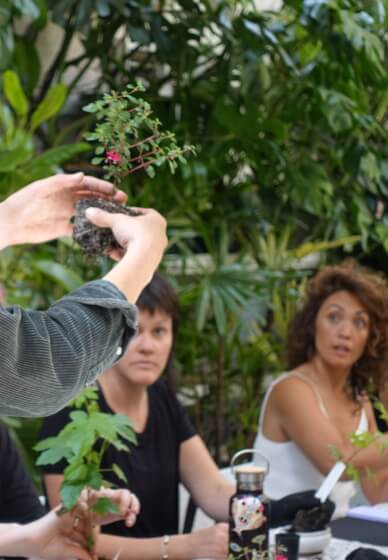
Bonsai Class for Beginners
4.9 (127)
$120

Dessert Candle Making Workshop
5.0 (144)
$115 - $155

French Croissant Baking Class
5.0 (432)
$220 - $240
Flower Picking Class with Farm Tour
5.0 (92)
$65

Serene Terrarium Workshop for Beginners
5.0 (61)
$95

Cocktail Making Class with a Feast
4.8 (245)
$99
Notice what they have in common: clear, descriptive titles. Compelling photos. Lots of happy reviews. These teachers didn't start with a massive following — they built it, one great workshop at a time.
Top teachers
Meet some of the highest-rated teachers in Australia. All of them started from zero.
Work-Shop
(4,910)
Kintsugi Australia
(2,446)
Honkas Bar + Eats
(2,313)
Print Paint Pot
(2,287)
Wesley Taylor Art Studios
(2,272)
Paint for Fun - Paint and Sip Melbourne
(2,051)
Art Masterclass
(1,850)

Diana Ceramic
(1,413)
Teacher stories
Want to hear directly from teachers who've built successful workshop businesses? Our Community Hub features behind-the-scenes profiles of ClassBento teachers — how they got started, how they think about their workshops, and what they've learned.

Homemade Chocolate Bonbons You Won't Be Able to Resist This Easter
By Tiffany Fung
Ready to indulge your sweet tooth? Make mouthwatering chocolate bonbons with this easy-to-follow recipe from Choc & Moi—the perfect treat for Easter!
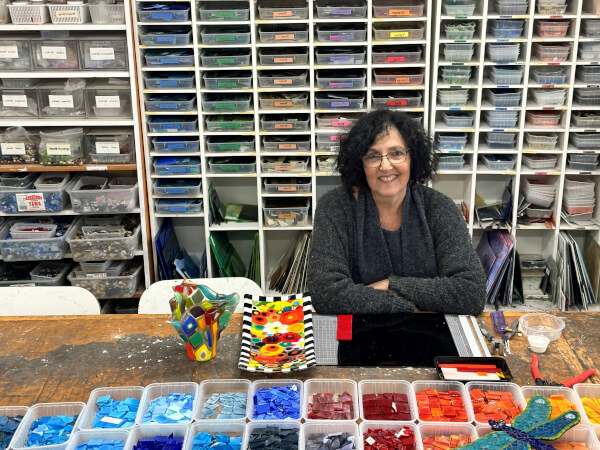
Meet Merryl's Mosaics and Glass Studio
By Tiffany Fung
Discover the joy of making mosaics at Merryl Sacher's creative studio in Caulfield and transform colourful shards into beautiful works of art.

Meet MakMak Macarons
By Charlotte McKewen
Meet founder of MakMak Macarons, Carlos Heng - the creator of Sydney's tastiest award-winning round treats!

Meet Zara Avila
By Laine Fullerton
Colourful and cute polymer clay creations help jewellery maker Zara Avila see the bright side of life. At her virtual workshopsColourful and cute polymer clay creations help jewellery maker Zara Avila see the bright side of life. At her virtual workshops you can join in the fun! ...

Templates
- Profit calculator
- Sample waiver
- Pottery lesson plan
- Paint & Sip lesson plan
- Cooking lesson plan
- Class description
Feel free to use our templates!
Workshops profit calculator
See this link: Workshops Profit Calculator
Sample Participant Waiver (Basic Template)
Creative Workshop Participation Waiver
I understand that participating in [Workshop Name] involves hands-on activities that may include tools, materials, heat, sharp objects, or other equipment.
I acknowledge:
- I am voluntarily participating.
- I will follow all safety instructions provided.
- I accept the inherent risks involved.
I release [Business Name] and its instructors from liability for minor injuries that may occur during normal participation, except where caused by gross negligence.
Name: _______________
Signature: _______________
Date: _______________
Sample Lesson Plan – Pottery (90 Minutes)
- 0-5 min: Welcome & introductions
- 5-10 min: Explain process and finished outcome + Safety overview
- 10-20 min: Demonstrate centering clay
- 20-60 min: Guests throw their first piece + Individual feedback
- 60-75 min: Demonstrate trimming / shaping
- 75-85 min: Guests refine
- 85-90 min: Photo moment, explain firing & pickup process, invite reviews and promote next class
Sample Lesson Plan – Paint & Sip (2 Hours)
- 0-10 min: Welcome + social warm-up
- 10-20 min: Outline canvas sketch
- 20-90 min: Step-by-step painting in stages
- 90-115 min: Final details
- 115-120 min: Photos, invite reviews and promote next class
Sample Lesson Plan – Cooking (2.5 Hours)
- 0-15 min: Intro + hygiene + dish overview
- 15-30 min: Demonstrate key techniques
- 30-110 min: Hands-on cooking in stages
- 110-140 min: Plate & dine together
- 140-145 min: Recipe recap
- 145-150 min: Photos, invite reviews and promote next class
Class description template
The template below is purposely quite brief - you'll want to add a bit of detail, based on what you're actually teaching.
Class name: Pottery Wheel Throwing for Beginners
Class description:
Looking for a creative escape in [City]? In this relaxed and welcoming [workshop type], you'll learn how to [main outcome – e.g. throw your very first ceramic bowl on the wheel] — even if you've never tried it before.
This class is perfect if you:
- Want to try something new and hands-on
- Are planning a birthday, date night or team activity
- Love working with your hands
- Simply want a few mindful hours away from screens
No experience is needed - you'll be guided step-by-step in a friendly, supportive space.
What you'll learn:
During this [length of class] session, you'll:
- Learn the basics of [core technique]
- Create your own [finished item(s)]
- Discover tips and tricks to improve your technique
- Leave with something handmade and uniquely yours
What's included:
- All materials and tools
- Step-by-step guidance
- [Aprons / protective gear if relevant]
- [Firing and glazing if pottery]
- A relaxed and welcoming atmosphere
You don't need to bring anything - just wear comfortable clothes you don't mind getting a little messy.
Come solo or bring a friend. Either way, we look forward to hosting you soon!

Keep learning
If you'd like to learn more, here are our suggestions:
- Speak to other teachers yourself. You can reach out to them online or over the phone, or you could ask them after you've completed a workshop with them. Buy them a beverage. They might have useful insights that they're happy to share.
- Get ideas and feedback with AI. E.g. Ask ChatGPT, Gemini, Claude:
- "Here's my lesson plan for my wheel throwing workshop, give me feedback on it"
- "Here's my marketing plan, for my [subject] classes in [city]. Give me feedback and more ideas"
- "Here's my class description. How can I improve it for SEO and conversion rates?"
- Find other resources online. If you want to learn more about specific topics like marketing or registering your business, just search for it, via a search engine or AI, there are often lots of free resources available.
- Speak to a staff member from a creative classes platform, like ClassBento. They may be able to give you personalised tips based on your business situation and goals.
- Listen to other teachers' recorded stories. Listen to podcasts where you can hear about their experiences setting up and running their creative class businesses, e.g. on ClassBento YouTube or ClassBento Spotify.
Summing up
Running creative workshops can be a fulfilling way to earn whilst indulging in what you love doing.
It's important to design your classes carefully, but remember that you can always refine your class as you go.
You'll want to choose an appropriate booking system. Then, you're in a good place to start working on customer acquisition. Start with help from your friends and family to build up a strong foundation, and from there, you've got lots of options to try. Using a marketplace can also deliver you customers without having to master marketing channels.
Once you've got some momentum, you can invest in some simple business admin to ensure you're set up to scale up further, properly; and when you've made enough progress, you can consider expanding your business beyond what you can personally teach yourself.
We hope you've found our guide helpful!
What's next?
Share this guide (use the button to copy the link), give feedback to improve it, and/or start listing with ClassBento!
Wishing you success!
Iain & the ClassBento Team